End of tenancy cleaning rules Haringey Council Finsbury Park

If you are moving out in Finsbury Park, the phrase End of tenancy cleaning rules Haringey Council Finsbury Park can feel a bit heavier than it should. One minute you are packing plates and charger cables, the next you are wondering whether the oven needs to gleam, whether the carpet has to be professionally cleaned, and what happens if the landlord says the place is not "clean enough".
Truth be told, this is rarely about one dramatic rule. It is usually a mix of tenancy agreement wording, deposit expectations, common UK renting practice, and the condition you leave the property in. That means the safest approach is not guessing. It is knowing what is normally expected, what may be required in your contract, and what counts as a sensible, defensible clean.
This guide breaks everything down in plain English: what end of tenancy cleaning means, how it usually works in Haringey and Finsbury Park, how to avoid avoidable disputes, and how to plan the clean so you do not end up scrubbing skirting boards at 11pm the night before handover. Been there, or at least close enough.
You will also find a step-by-step process, a practical checklist, a comparison table, and answers to the questions tenants ask most often when moving out.
Why End of tenancy cleaning rules Haringey Council Finsbury Park Matters
End of tenancy cleaning matters because it sits right at the point where money, time, and expectations collide. If you are leaving a rented home in Finsbury Park, the final clean can influence whether the property is handed back smoothly, whether there is a complaint about cleanliness, and whether a deposit dispute starts over something that could have been avoided.
Most problems are not caused by one dusty shelf. They come from a pattern: the hob is greasy, the bathroom sealant has mildew, the fridge still smells faintly of onions, and the carpets look tired after a winter of muddy shoes and wet London weather. Small things stack up quickly.
In Haringey, tenants usually need to return the property in the condition required by the tenancy agreement, allowing for fair wear and tear. That phrase gets used a lot, and for good reason. Fair wear and tear is not the same as neglect. A worn patch in a hallway carpet is normal over time. A sticky kitchen floor, on the other hand, is harder to defend.
It also matters because cleaning is often one of the most visible parts of move-out preparation. Even if you have paid rent on time and looked after the place, a poor final clean can create the wrong impression. People are human. A sparkling sink can soften a lot. A grimy one does the opposite. Simple, but true.
Expert summary: the safest end of tenancy strategy is to clean to the standard expected by the tenancy agreement and inspect the property room by room, not room by room in your imagination. That distinction saves trouble.
How End of tenancy cleaning rules Haringey Council Finsbury Park Works
There is usually no single public checklist that applies to every rented home in Finsbury Park. Instead, the cleaning standard is shaped by a few practical layers:
- Your tenancy agreement, which may require the property to be returned in a professionally cleaned or reasonably clean condition.
- Inventory and check-in reports, which show what the property looked like when you moved in.
- Move-out inspection expectations, where cleanliness, damage, and missing items are assessed.
- Deposit protection principles, which generally look at whether the property was left in the expected condition, not whether it looks brand new.
In real life, the process tends to work like this. You move out, remove all belongings, clean the property thoroughly, and either do a final walkthrough yourself or with the landlord/agent. If the place is not up to standard, they may raise issues. If it is, handover is usually smoother. That is the ideal, anyway.
For tenants in Finsbury Park, the practical challenge is usually timing. Busy schedules, move dates, lifts that are too small for a sofa that suddenly seems to have doubled in size, and all the little jobs that arrive at once. The cleaning itself is not always hard; the coordination is. That is why planning matters more than enthusiasm.
If you are using specialist help, services such as carpet cleaning, steam carpet cleaning, upholstery cleaning, or stain removal can support a proper move-out clean when the property needs more than a quick once-over.
Key Benefits and Practical Advantages
A proper end of tenancy clean is not just about pleasing a landlord. It can make the move easier for everyone involved.
- Lower chance of deductions disputes because cleanliness is documented and easy to assess.
- Smoother handover when the property is ready for inspection on time.
- Better presentation for agents, landlords, or incoming tenants.
- Less stress on moving day, which is valuable in itself. Moving is already chaotic enough.
- More efficient use of time if you focus on the biggest problem areas first.
There is also a practical financial angle. A deep clean, carried out properly, can help you avoid last-minute call-backs or emergency fixes after you have already handed over the keys. To be fair, nobody wants to return to a flat with a mop bucket after checkout. It is awkward, and usually avoidable.
For landlords and agents, a well-cleaned property saves time before re-marketing or re-letting. For tenants, it supports a clean exit and a more professional finish. Both sides benefit when the property is left in a genuinely good condition, not just "tidied".
Who This Is For and When It Makes Sense
This topic matters to anyone leaving a rented home in or around Finsbury Park, but some situations make it especially relevant:
- Private tenants who need to meet tenancy agreement cleaning obligations.
- Flat sharers dividing the final clean between multiple people, which can get messy fast.
- Students and young professionals moving out on a tight deadline.
- Families who have accumulated years of everyday wear in a property.
- Long-term tenants whose homes may need more than standard domestic cleaning.
- Landlords and letting agents preparing a property for the next occupants.
It makes sense to think about end of tenancy cleaning as soon as you know your move-out date. That sounds obvious, but it is easy to leave until the final 48 hours. Suddenly you are cleaning behind the washing machine and wishing you had started earlier. Why do we all do that? Habit, probably.
If the home has pets, stubborn carpet marks, smoke residue, food odours, or heavy living-room traffic, you may need targeted help. In those cases, specialist services like pet stain odour removal, rug cleaning, or sofa cleaning can make a noticeable difference.
Step-by-Step Guidance
If you want a clean exit, follow the job in the same order every time. It keeps the process calm and stops you cleaning the same surface twice.
- Read the tenancy agreement and inventory first. Look for cleaning clauses, carpet requirements, and any notes about appliances or fixtures.
- Remove all personal items. Cleaning around boxes is false economy. You will only have to move them again.
- Deal with waste and rubbish. Empty cupboards, under-sink areas, balcony corners, and the top of wardrobes.
- Work top to bottom. Start with dusting shelves, light fittings, and tops of doors before floors.
- Clean the kitchen thoroughly. This is usually the most inspected room. Oven, hob, extractor fan, fridge, cupboards, sink, handles, and splashback should all be checked.
- Move into the bathroom. Focus on limescale, grout, taps, toilet base, shower screen, and hidden edges where dirt gathers.
- Tackle living spaces and bedrooms. Vacuum carpets, wipe skirting boards, clean mirrors, and check window ledges.
- Finish with floors and carpets. Sweep, mop, and professionally clean where needed.
- Open windows and let the property air out. This is a small step, but it helps. A room can look clean and still feel closed-in.
- Do a final inspection in daylight. If possible, look again in the morning or near a window. Evening lighting hides too much.
If carpets or upholstery need deeper treatment, it is usually better to use the right method for the material. A wool rug, a synthetic hallway carpet, and a velvet sofa do not want the same approach. That sounds obvious, yet it is a common mistake.
A practical room-by-room order
- Kitchen first, because it takes the longest.
- Bathroom second, because limescale and soap residue need attention.
- Bedrooms and living rooms next.
- Hallways, stairs, and entry areas last, because they collect dust during the rest of the clean.
Expert Tips for Better Results
Here is the bit people often skip: cleaning well is not the same as cleaning quickly. If you want a stronger result, a few habits help a lot.
Use dwell time. Let cleaning products sit on greasy surfaces, oven grime, or bathroom limescale for the recommended time. Wipe too early and you just move dirt around. Patience, irritating as it is, pays off.
Check touch points. Light switches, handles, cupboard edges, and skirting boards tell a story. A room can be mostly clean and still feel neglected if those areas are sticky.
Lift and move what you can safely move. Dust often hides behind freestanding items. If you cannot move something, clean around and note it rather than forcing it.
Work with the property's materials. Laminate, wood, stone, and tiled surfaces all need different care. Over-wetting floors is a common mistake in London flats, especially older ones with mixed surfaces.
Use professional help for stubborn jobs. If there are deep stains or embedded dirt, targeted services can be more cost-effective than replacing items or repeating failed DIY attempts. That is especially true for mattress cleaning, curtain cleaning, and rug cleaning.
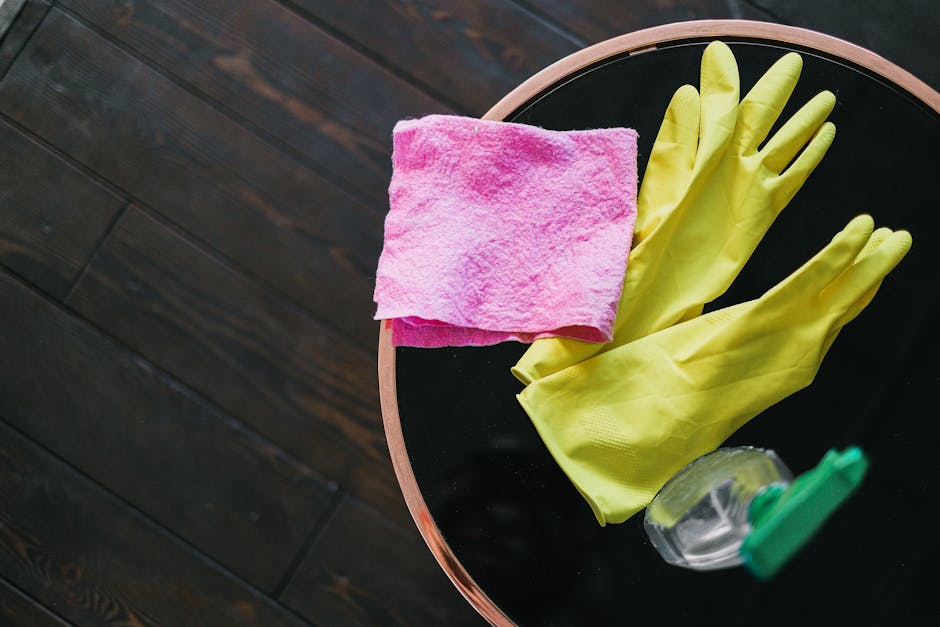
A small human tip? Keep a "final-hour kit" by the door: cloths, gloves, bin bags, disinfectant, a vacuum attachment, and a lint roller. It saves the annoying last-minute hunt for "that one sponge".
Common Mistakes to Avoid
Most move-out cleaning problems are predictable. That is the good news. You can avoid a lot just by knowing where people usually slip.
- Leaving appliances until the end. The oven and fridge can take longer than expected.
- Cleaning before removing all items. It wastes time and misses hidden dirt.
- Ignoring odours. A room that looks clean but smells stale can still cause concern.
- Forgetting inside cupboards and drawers. Agents and landlords do check them.
- Using the wrong product on delicate surfaces. Harsh chemicals can mark stone, wood, or upholstery.
- Not photographing the finished property. If there is a disagreement later, evidence matters.
- Assuming "normal tidiness" is enough. End of tenancy cleaning is usually more thorough than a standard weekly clean.
Another classic one: cleaning one room beautifully and hoping that will somehow cover the rest. It won't. Sadly, kitchens do not forgive by association.
Tools, Resources and Recommendations
You do not need a van full of specialist gear, but the right tools make the job less painful and more effective.
- Microfibre cloths for dust, glass, and general wiping.
- Vacuum cleaner with attachments for skirting boards, corners, stairs, and upholstery.
- Non-abrasive bathroom cleaner for taps, showers, sinks, and tiling.
- Degreaser for kitchen surfaces, cupboard fronts, and extractor areas.
- Glass cleaner for mirrors and internal windows.
- Mops and buckets for hard flooring.
- Rubber gloves and bin bags for the less glamorous bits. There are always less glamorous bits.
If you are comparing whether to do it yourself or bring in help, think about the condition of the property rather than the number of rooms alone. A one-bedroom flat with an oven like a science experiment may need more effort than a larger but lightly used home.
For pricing, booking clarity, and service expectations, it can help to review pricing and quotes before you decide. If you are also concerned about safety and trust, the site's insurance and safety information and health and safety policy are useful reading.
Law, Compliance, Standards, or Best Practice
For tenants in Finsbury Park, the most important principle is usually not a single "council rule" but the combination of tenancy terms, deposit expectations, and fair wear and tear. In the UK rental context, tenants are generally expected to return the property in a clean condition, while landlords cannot reasonably charge for problems that come from normal use over time.
That means compliance is less about chasing perfection and more about being reasonable, consistent, and documented. If the tenancy agreement asks for professional carpet cleaning, that should be checked carefully. If it simply requires the property to be cleaned to a good standard, then a detailed DIY clean may be acceptable if it is genuinely thorough.
Best practice usually includes:
- matching the cleaning standard to the check-in inventory
- keeping receipts or confirmation if specialist cleaning is used
- taking clear photos once the property is cleaned
- not leaving the job until the last moment
- making sure all waste is removed properly
If you are unsure about a clause in your tenancy agreement, treat the wording carefully. Some terms are written broadly, but enforcement often depends on evidence and reasonableness. That is where good records help. A clean property, a dated photo set, and a sensible approach can prevent a lot of back-and-forth.
Options, Methods, or Comparison Table
Choosing how to handle the clean usually comes down to time, budget, and how demanding the property is. Here is a simple comparison.
| Option | Best for | Pros | Watch-outs |
|---|---|---|---|
| DIY end of tenancy clean | Lightly used properties and organised tenants | Lower cost, full control, flexible timing | Takes longer, easy to miss detail, can be tiring |
| Targeted professional cleaning | Problem areas like carpets, sofas, mattresses, or stains | Good for stubborn dirt, saves time, better finish in key zones | May not cover the whole property if booked as a limited service |
| Full professional move-out clean | Busy moves, larger homes, or properties needing a deep refresh | Most thorough, less stress, better consistency | Higher cost than doing it yourself |
If you are aiming for the middle ground, many tenants choose to do the general clean themselves and bring in specialists for the hardest surfaces. That often works well. It is pragmatic, not fancy, and honestly, pragmatic wins most move-out weeks.
Services such as steam carpet cleaning, sofa cleaning, and upholstery cleaning are often the most useful when the property looks decent overall but needs a deeper refresh in high-use areas.
Case Study or Real-World Example
A typical Finsbury Park move-out scenario goes like this. A tenant in a two-bedroom flat has packed everything, booked the van, and suddenly realised the flat looks fine at first glance but not on closer inspection. The oven has burnt-on grease, the hallway carpet shows a dark walkway from the front door, and the sofa has a faint patch from a spilled drink months earlier.
Instead of trying to clean everything in one frantic afternoon, they split the work. The tenant handled cupboards, the bathroom, and general dusting. A specialist cleaned the hallway carpet and the sofa, while the tenant focused on the final wipe-down and airing the property. The result was not "showroom perfect" - that is rarely the point - but it was neat, credible, and consistent with the home's age and use.
The useful lesson is simple: do not treat every surface the same. Some items need elbow grease. Some need the right method. Some need a professional because DIY is just not the best tool for the job. That is not failure. That is common sense.
Practical Checklist
Use this checklist before handover. It keeps the final clean focused and stops you missing the obvious things.
- All belongings removed from the property
- Bins emptied and rubbish taken out
- Kitchen surfaces wiped and degreased
- Oven, hob, extractor, and fridge cleaned
- Bathroom descaled and sanitised
- Mirrors, handles, and switches wiped down
- Skirting boards dusted
- Floors vacuumed and mopped
- Carpets treated or professionally cleaned if needed
- Sofas, rugs, and mattresses checked for marks or odours
- Windowsills, ledges, and shelves cleaned
- Internal doors and cupboard fronts wiped
- Final photos taken in good light
- Keys, fobs, and any required items ready to return
Quick reminder: if a room smells clean but still looks tired, it usually needs one more careful pass. A quick walk-through with fresh eyes can catch a lot.
Get a free quote today and see how much you can save.
Conclusion
End of tenancy cleaning in Finsbury Park is rarely about chasing perfection. It is about meeting the expected standard, avoiding unnecessary deductions, and leaving the property in a condition that is fair, tidy, and easy to accept. If you work methodically, use the tenancy agreement and inventory as your guide, and deal properly with the rooms that collect the most grime, you are already most of the way there.
And if the property needs more than a basic tidy-up, there is no shame in getting help where it counts. That is often the smartest move, not the most expensive one. The goal is a smooth handover, less stress, and a final impression that feels calm rather than rushed. A decent ending matters. It really does.
Frequently Asked Questions
What are the usual end of tenancy cleaning expectations in Finsbury Park?
Usually, the property should be returned clean, tidy, and in line with the tenancy agreement and check-in condition, allowing for fair wear and tear. Exact wording varies, so the agreement matters.
Does Haringey Council set a specific end of tenancy cleaning checklist?
There is not generally a single universal checklist that applies to every private tenancy. In practice, the tenancy agreement, inventory, and move-out inspection expectations are what guide the cleaning standard.
Do I need professional carpet cleaning when I move out?
Not always. Some tenancy agreements ask for it, while others only require the carpet to be left clean. If the carpet is stained, heavily used, or the agreement specifically mentions professional cleaning, it is worth checking carefully.
What happens if the property is not clean enough?
The landlord or agent may ask for additional cleaning, withhold part of the deposit, or raise a dispute. Clear photos and a detailed final clean help reduce that risk.
Should I clean before or after moving my furniture out?
After, ideally. Cleaning around furniture usually misses hidden dirt and wastes time. Once the room is empty, you can clean properly from top to bottom.
How clean does the kitchen need to be at the end of a tenancy?
The kitchen usually needs the most attention. Appliances, cupboards, handles, sink, splashback, and floors should be cleaned thoroughly because kitchen grease and odours stand out very quickly.
Can normal wear and tear affect cleaning expectations?
Yes. A property does not need to look new. Light marks from normal living are expected over time. The key point is that the home should be returned in a reasonable and clean condition.
What if I have pets and there are lingering smells or marks?
Pet odours and stains often need specific treatment. General cleaning alone may not be enough, especially on carpets, rugs, mattresses, or soft furnishings.
How far in advance should I book end of tenancy cleaning?
As soon as you know the move-out date if possible. Booking early gives you more flexibility and avoids the last-minute rush when everything else is happening at once.
Is it better to do the cleaning myself or hire help?
It depends on the condition of the property, your time, and the agreement. DIY works well for lightly used homes, while specialist help can be useful for carpets, sofas, stains, or tough bathroom and kitchen buildup.
Should I keep proof of the cleaning I have done?
Yes, absolutely. Photos, receipts, and any booking confirmations can help if there is a later question about the condition of the property. That small habit can save a lot of hassle.
What are the most commonly missed areas during move-out cleaning?
Behind appliances, inside cupboards, skirting boards, extractor fans, taps, window ledges, and the edges of bathrooms are often missed. Those are the spots that tend to catch people out.
If you want support with the more stubborn parts of a move-out clean, you can also review the broader service and trust pages such as about us, terms and conditions, and contact us for more details about the company and booking process.
When all is said and done, a good end of tenancy clean is less about stress and more about control. Take it room by room, keep the standard realistic, and give yourself enough time to do it properly. That quiet bit of effort at the end can make the move feel a lot lighter.