Stain Removal in Everyday Spaces: Practical Methods for Cleaner, Fresher Surfaces
Stain removal is one of those household tasks that looks simple until you are staring at a fresh spill on fabric, carpet, tile, or upholstery and wondering what to do next. Whether it is coffee on a shirt, red wine on a tablecloth, grease on a countertop, or mud on a rug, stain removal becomes much easier when you understand the type of stain, the material involved, and the right cleaning approach. With the right techniques, stain removal can protect your surfaces, preserve fabrics, and save you time and money.
Many people search for stain removal solutions after an accident has already happened, but the best results usually come from quick action and smart preparation. The right stain removal method can prevent permanent marks, reduce odor, and stop discoloration from setting in. In this article, you will find practical stain removal strategies for common household messes, plus professional tips for delicate fabrics, hard surfaces, and stubborn spots that refuse to budge.
Good stain removal is not about using the strongest chemical available. It is about choosing the safest and most effective cleaner for the stain type and surface. With a few simple principles, you can improve your stain removal results dramatically while avoiding damage to clothing, furniture, and flooring. Fast action, correct products, and a little patience make a big difference.
Why Stain Removal Matters for Homes and Workspaces
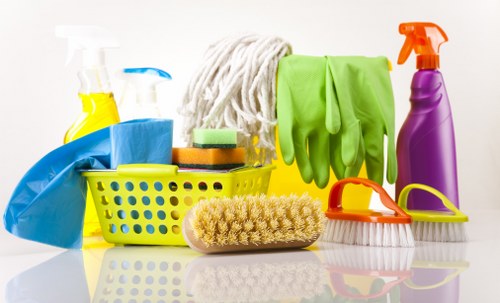
Stain removal is important because stains affect more than appearance. On fabrics, stains can weaken fibers over time. On carpets and upholstery, they may trap odors and attract dirt. On countertops or tiles, stubborn stains can make a clean room look neglected. Effective stain removal helps maintain hygiene, comfort, and the overall value of your belongings.
For households with children, pets, or busy routines, stain removal is a frequent necessity. Spills happen during meals, craft projects, work-from-home days, and everyday living. A quick stain removal response often determines whether a stain lifts easily or becomes a long-term blemish. That is why learning the basics of stain removal is a practical skill, not just a cleaning chore.
Stain removal also supports sustainability. Instead of discarding stained items, proper treatment can extend the life of clothes, linens, upholstery, and rugs. This reduces waste and helps you get more use out of what you already own. In many cases, thoughtful stain removal can make an item look nearly new again.
Understanding Different Types of Stains
Before beginning stain removal, it helps to identify the stain category. Different stains react to different treatments, and the wrong cleaner can make the mark worse. Most stains fall into a few broad groups, each with its own stain removal strategy.
Protein-Based Stains
These include blood, egg, dairy, and sweat. Protein stains usually respond best to cold water and mild detergents. Hot water can set them, which is why stain removal for protein-based spills should begin gently and quickly.
Oil-Based Stains
Grease, butter, salad dressing, and makeup fall into this category. Oil-based stain removal often requires dish soap, absorbent powders, or degreasing products. These stains cling to fibers and surfaces, so pre-treatment is essential.
Tannin Stains
Coffee, tea, wine, and juice are common tannin stains. Stain removal for tannins often works best with cool water and stain-lifting detergents. Acting fast prevents the pigments from binding deeply to fabric or carpet fibers.
Dye and Pigment Stains
Ink, paint, colored drinks, and food coloring are tougher because they contain strong dyes. Stain removal may require repeated treatment, but it is important to test all products first to avoid spreading the stain.
Why classification improves results
When you know what kind of stain you are dealing with, stain removal becomes more efficient. Instead of trying random products, you can target the stain with the right chemistry. That saves time, reduces scrubbing, and lowers the risk of damage.
Essential Stain Removal Rules to Follow First
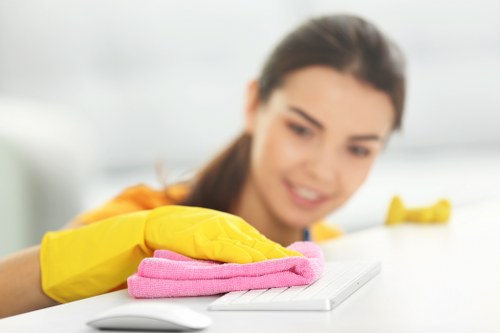
No matter what the stain is, a few universal stain removal rules apply. Following them can significantly improve your results and protect delicate materials from unnecessary harm. These basics are especially useful when dealing with clothing, upholstered furniture, and carpeting.
- Act quickly. Fresh stains are easier to remove than old ones.
- Blot, do not rub. Rubbing pushes the stain deeper into fibers.
- Test in a hidden area. This is essential for fabrics, finishes, and dyed materials.
- Use cold water first when unsure. Cold water helps avoid setting certain stains.
- Avoid heat until the stain is gone. Heat can lock in many stains permanently.
In stain removal, patience often matters more than force. A stain that seems stubborn may respond after a few gentle cycles of blotting and treatment. It is better to repeat a safe stain removal method than to use an aggressive product that causes fading, bleaching, or texture damage.
Always read labels on both the cleaning product and the item you are treating. Some materials, such as silk, wool, and certain synthetic blends, are sensitive to harsh chemicals. Smart stain removal means protecting the object while removing the mark.
Stain Removal on Clothing
Clothing is one of the most common surfaces where stain removal is needed. Shirts, pants, dresses, and uniforms regularly encounter food spills, makeup, sweat, mud, and beverage marks. The sooner you treat the fabric, the higher your chance of successful stain removal.
Step-by-step clothing stain removal
Begin by removing excess material with a spoon, dull knife, or paper towel. Then blot the area from the outside in to prevent spreading. Apply a small amount of liquid detergent or targeted stain remover, let it sit briefly, and rinse with cold water. Repeat if necessary before washing.
For oil-based clothing stains, sprinkle baking soda or cornstarch over the affected area to absorb residue. For ink or dye stains, use a product designed for that specific issue. In stain removal, the right pretreatment is often more effective than washing alone.
Common clothing stain examples
- Coffee and tea
- Grass and mud
- Grease and cooking oil
- Wine and fruit juice
- Ink and marker
It is also important to check garments after washing but before drying. If the stain remains, repeat stain removal treatment. Drying on high heat can make the stain permanent, especially on cotton and blended fabrics.
Delicate garments need extra care. Silk, wool, and lace may require a gentler stain removal approach or professional cleaning. When in doubt, choose the mildest method first and avoid over-wetting fragile fibers.
Stain Removal on Carpets and Rugs

Carpets and rugs can trap stains quickly because of their thick fibers and backing materials. Successful stain removal on these surfaces depends on quick blotting, limited moisture, and the right cleaning solution. Excess water can seep into the pad and create odor or mold problems, so careful treatment matters.
Start by lifting solid debris and blotting liquids with a clean cloth or paper towel. Next, apply a carpet-safe stain remover or a mild mixture of water and dish soap. Work gently and avoid scrubbing, which can fray fibers and spread the discoloration. For stain removal on rugs, always consider the dye stability of the textile.
If the stain is from wine, coffee, or juice, continue blotting with a clean cloth and fresh solution until the mark lifts. For grease stains, use a dry absorbent material before applying liquid cleaner. Stain removal is often a layered process on carpets, combining absorption, treatment, and rinsing.
When professional help may be useful
Some carpet stains, especially large ones or stains caused by dyes, paint, or pet accidents, can be hard to remove at home. Deep stain removal may require specialized extraction equipment or professional cleaning products. This is especially true when the stain has already dried or spread through multiple layers.
Tip: Always test solutions in a hidden area first. Carpet and rug dyes can react unpredictably, and safe stain removal starts with caution.
Stain Removal on Upholstery and Furniture
Upholstery stain removal requires a delicate touch because furniture fabrics vary widely in texture, weave, and cleaning tolerance. Sofas, chairs, cushions, and fabric headboards can be damaged by too much water or harsh scrubbing. That is why upholstery stain removal should be gradual and controlled.
First, check the care label on the furniture. Some materials are water-safe, while others require solvent-based cleaning. Then blot the stain, apply a small amount of suitable cleaner, and use a soft cloth to lift it gently. For stain removal on upholstered furniture, less is often more.
Pet stains are especially important to treat quickly because they can leave lingering odor in addition to visible marks. Enzyme cleaners can be very effective for organic stains, as they break down the source rather than just masking it. This makes stain removal more complete and helps keep furniture fresh.
Furniture stain removal best practices
- Blot excess liquid immediately
- Use minimal moisture
- Choose cleaners based on fabric type
- Allow the area to dry fully
- Repeat stain removal only as needed
For microfiber and synthetic upholstery, a small amount of soap solution can often work well. For natural fibers, gentle stain removal products are safer. Always air-dry the area after treatment, and avoid excessive heat unless the fabric care label clearly allows it.
Stain Removal from Hard Surfaces
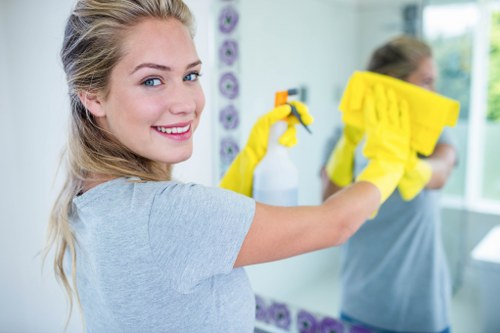
Hard surfaces such as countertops, tile, sinks, tubs, and tables usually handle stain removal better than fabric, but they still need the right approach. Stains on hard surfaces can come from food, rust, hard water, cosmetics, markers, or chemical spills. Some materials are porous, while others are sealed, and that difference affects stain removal.
For non-porous surfaces like glass or stainless steel, a mild cleaner and microfiber cloth may be enough. On porous surfaces like stone or unsealed grout, stain removal requires more care because the material can absorb the stain below the surface. In these cases, a poultice, specialty cleaner, or stone-safe product may be needed.
Do not use acidic cleaners on marble, limestone, or other sensitive stones unless the product specifically states it is safe. Stain removal on natural stone should be approached conservatively to avoid etching. Material compatibility matters as much as cleaning power.
Hard-surface stain removal examples
- Use baking soda paste for mild countertop marks.
- Use a non-abrasive cleaner for stainless steel.
- Use a grout-safe cleaner for tile lines.
- Use rust-specific treatment on metal stains.
- Use stone-approved products for marble and granite.
Even on durable surfaces, testing remains wise. Stain removal should clean without dulling finishes or leaving residue behind.
Natural and DIY Stain Removal Solutions
Many people prefer natural stain removal methods because they are affordable and widely available. Baking soda, vinegar, lemon juice, hydrogen peroxide, and dish soap are popular choices. These can be effective when used correctly, but each one works best on specific stains and surfaces.
Baking soda is useful for absorbing grease and odor. Dish soap works well for oily stains because it breaks down residue. Hydrogen peroxide can help lighten organic stains, but it should be tested first because it may affect color. Vinegar is often recommended in stain removal, though it should not be used on all materials, especially delicate stone.
Natural stain removal solutions are most effective when paired with prompt action. They are not magic formulas, but they can be reliable tools in a cleaning routine. For some stains, a gentle homemade mixture can handle the job just as well as commercial products.
Simple DIY stain removal ideas
- Baking soda paste: Useful for mild grease and odor
- Dish soap and water: Good for general spills
- Hydrogen peroxide blend: Often used for organic stains
- White vinegar solution: Helpful on some fabrics and surfaces
Use caution with DIY methods. The fact that a product is natural does not mean it is safe for every surface. Successful stain removal depends on the stain, the material, and the cleaner working together.
Stain Removal Mistakes to Avoid
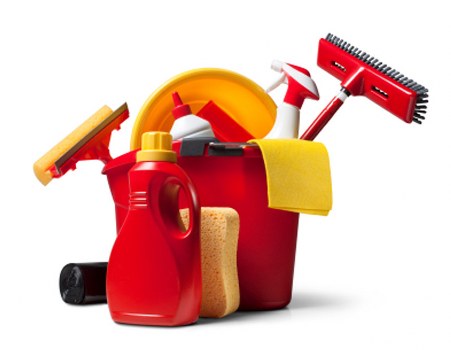
Even well-intentioned cleaning can go wrong when stain removal is handled carelessly. Some mistakes make stains harder to remove, while others damage the surface permanently. Avoiding these errors can save a favorite shirt, an expensive rug, or a piece of furniture from unnecessary harm.
One common mistake is rubbing too hard. This pushes the stain deeper and can damage fibers. Another is using hot water too soon, especially on protein stains. People also sometimes use too much cleaner, which leaves residue and attracts dirt later. In stain removal, more product does not always mean better results.
Mixing cleaning chemicals is another serious risk. Some combinations create harmful fumes or ineffective reactions. Always use one product at a time and follow instructions carefully. Thoughtful stain removal is safe stain removal.
Frequent stain removal errors
- Using heat before the stain is gone
- Scrubbing instead of blotting
- Skipping a patch test
- Ignoring care labels
- Over-wetting fabric or carpet
If a stain does not come out after a few careful attempts, stop and reassess. Sometimes the best stain removal decision is to switch methods or consult a professional rather than keep experimenting.
How to Build a Simple Stain Removal Routine
A stain removal routine makes cleaning less stressful because you already know what to do when accidents happen. Keep a few basic supplies on hand: white cloths, paper towels, mild liquid detergent, baking soda, an enzyme cleaner, and a stain-safe brush or soft sponge. Having the right tools ready can turn stain removal into a quick, manageable process.
Organize products by use. Keep fabric treatments near laundry supplies, carpet-safe solutions near vacuum and floor-cleaning items, and surface cleaners where they are easiest to grab. This small step improves response time and helps you stay consistent with stain removal across your home.
After every stain treatment, check the item once it dries. Sometimes a faint shadow remains and can be treated again. Other times the mark may disappear fully. Either way, a routine helps you track your stain removal results and adjust as needed.
Quick stain removal kit checklist
- Clean white cloths
- Paper towels
- Liquid detergent
- Baking soda
- Enzyme cleaner
- Soft brush or sponge
- Stain remover suitable for your fabrics
Consistency is key. The more prepared you are, the easier stain removal becomes in everyday life.
When to Seek Professional Stain Removal Help
There are times when professional stain removal is the smartest option. If a stain is old, large, set in, or on a delicate item, trained cleaners may have tools and solutions that work better than home methods. This is especially helpful for wedding garments, antique textiles, area rugs, and valuable upholstery.
Professional stain removal can also help when the stain involves hazardous materials, deep dye transfer, or materials that require specialized care. Rather than risking damage through repeated trial and error, expert treatment can offer a safer path. In many cases, professional stain removal may save the item entirely.
Even when you handle most cleaning tasks yourself, knowing when to ask for help is part of good maintenance. There is no shame in choosing expert stain removal for a difficult case. In fact, it often protects your investment more effectively than a DIY attempt.
Contact us today if you want a tailored stain removal strategy for challenging surfaces, delicate materials, or recurring spill issues. Book your service now if you are ready to restore fabrics and surfaces with a careful, professional approach.
Final Thoughts on Effective Stain Removal
Stain removal is both a science and a habit. When you understand stain types, choose the correct method, and act quickly, most stains become manageable. From clothing and carpets to upholstery and hard surfaces, the right stain removal approach can preserve appearance, improve cleanliness, and extend the life of your belongings.
The most important habit is to respond early. Fresh spills are easier to treat, and careful blotting is almost always better than aggressive scrubbing. Add the right products, patience, and a little knowledge, and stain removal becomes a straightforward part of home care rather than a stressful emergency.
Clean surfaces start with smart choices. Whether you prefer DIY solutions or professional support, consistent stain removal helps maintain a fresher, more inviting environment. If you are dealing with recurring marks or difficult stains, now is the time to take action. Book your service now and make stain removal easier from the start.