Insurance and Safety
 A strong insurance and safety framework is essential for any organisation that wants to protect people, property, and reputation. Whether work takes place on-site, in transit, or in customer-facing environments, a well-managed approach helps reduce disruption and supports safer outcomes every day. From public liability insurance to practical workplace safety measures, the aim is to make sure risks are understood, controlled, and reviewed consistently. When companies invest in insurance and safety planning, they also create a more confident environment for staff, contractors, and the public.
Public liability insurance is a core part of this approach. It provides financial protection if a third party suffers injury or property damage because of business activities. In many sectors, this cover is a vital safeguard, helping organisations manage unexpected claims that could otherwise create significant financial pressure. A thoughtful public liability insurance policy works alongside day-to-day safety controls, forming a layered approach that supports resilience. It is not simply a box-ticking exercise; it is part of a wider commitment to responsible operations and good governance.
 Alongside cover, effective staff training is one of the most important ways to maintain high standards. Employees should understand hazards relevant to their role, how to use equipment correctly, and what actions to take in an emergency. Staff training can include induction sessions, refresher learning, toolbox talks, and role-specific instruction. A business that prioritises training demonstrates that health and safety is not treated as an afterthought. Regular updates also help teams adapt to changing environments, new processes, and improved control measures.
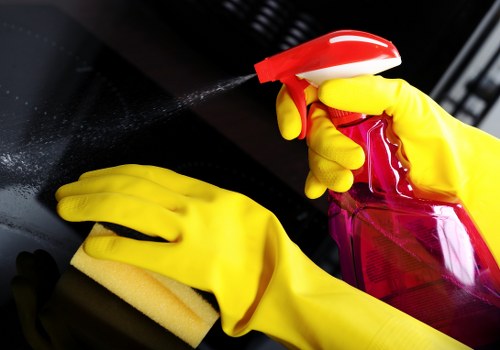
PPE, or personal protective equipment, is another essential layer in a comprehensive safety system. Depending on the work being carried out, PPE may include gloves, helmets, high-visibility clothing, eye protection, hearing protection, or respiratory equipment. However, PPE should always be seen as the final barrier rather than the first line of defence. The most effective insurance and safety strategies combine risk reduction, clear procedures, and appropriate equipment. When used properly and maintained well, PPE helps protect workers from avoidable harm and supports compliance with workplace standards.
 The risk assessment process is central to identifying what can go wrong and what controls are needed. It begins with spotting hazards, followed by evaluating who may be harmed and how likely harm is to occur. From there, suitable measures are introduced, monitored, and refined. A thorough risk assessment process should consider routine tasks, less frequent activities, and unusual situations such as severe weather, equipment faults, or changes in staffing. In practice, this means looking at real conditions, not just theoretical ones, and making decisions based on evidence.
Once risks are assessed, control measures should be applied in a logical order. This can involve removing the hazard entirely, substituting a safer method, using engineering controls, improving supervision, or strengthening training and PPE requirements. A good safety management system records these decisions clearly so they can be reviewed later. In the context of insurance and safety, documented risk controls also help demonstrate that appropriate precautions were in place, which can be valuable if an incident is ever investigated.
 The relationship between insurance and operational safety is closely connected. Strong controls can reduce the chance of incidents, while suitable insurance provides a safety net if something still goes wrong. This dual approach helps protect business continuity and shows a commitment to responsible practice. For example, a company with robust public liability insurance, well-trained staff, and active monitoring of hazards is better positioned to manage both everyday tasks and unexpected challenges. The result is a more stable, professional environment for everyone involved.
Record-keeping plays an important role too. Training logs, inspection reports, incident reports, and review notes all help show that safety procedures are being followed and updated. These records also support continuous improvement by highlighting recurring issues or areas where extra support may be needed. A consistent insurance and safety approach should never remain static; it should evolve as operations change, new technologies are introduced, or lessons are learned from near misses and incidents. This ongoing cycle helps strengthen protection over time.
 In the end, the best results come from combining cover, culture, and control. Public liability insurance offers protection against certain external claims, while staff training, PPE, and the risk assessment process help prevent those claims from arising in the first place. Together, these elements support a safer and more reliable business environment. By making insurance and safety a priority, organisations show that they value people, take responsibility seriously, and are prepared for the realities of modern work.