Sofa Cleaning in Every Home: Practical Methods, Benefits, and Expert Tips
Sofa cleaning is one of those home care tasks that often gets delayed until stains, odors, or dust become impossible to ignore. Yet a clean sofa does much more than improve appearances. It supports a healthier indoor environment, extends the life of your furniture, and keeps your living space feeling fresh and welcoming. Whether your sofa is upholstered in fabric, leather, microfiber, or a blended material, sofa cleaning should be part of your regular household routine.
Many people assume that sofa cleaning is only necessary after a spill or when the cushions start looking dull. In reality, upholstery collects dust, allergens, body oils, pet hair, food crumbs, and everyday grime much faster than most homeowners realize. With the right sofa cleaning methods, you can protect your investment and maintain a comfortable seating area for family members and guests alike.
From basic vacuuming to stain-specific treatments and professional deep cleaning, there are many ways to handle sofa cleaning effectively. The best approach depends on the fabric type, the age of the sofa, and how heavily the furniture is used. In this article, we will explore why sofa cleaning matters, which methods work best, and how to keep your upholstery looking great for longer.
Why Sofa Cleaning Matters for Every Household

Sofa cleaning is about more than appearance. Sofas are among the most used pieces of furniture in any home, which means they accumulate dirt at a faster rate than many other items. Daily use can push debris deep into the fibers, where it becomes harder to remove over time. Regular sofa cleaning helps prevent this buildup from becoming permanent.
Clean upholstery supports a cleaner home overall. When dust, pet dander, pollen, and crumbs gather in a sofa, they can circulate back into the air each time someone sits down. This is especially important for households with children, pets, or anyone sensitive to allergens. A consistent sofa cleaning routine can make the entire room feel fresher and more comfortable.
Another important reason for sofa cleaning is preservation. Fabric fibers weaken when dirt and oils remain trapped in them for too long. Leather can dry out and crack if it is not cleaned properly. Microfiber can lose its soft texture if stains and grime are ignored. In short, regular sofa cleaning helps maintain both beauty and durability.
Understanding Different Sofa Materials
Before beginning any sofa cleaning process, it is important to identify the sofa material. Different upholstery types require different techniques, and using the wrong method can cause damage. A careful approach ensures effective sofa cleaning without compromising the fabric or finish.
Fabric Sofas
Fabric upholstery is common in many homes because it is comfortable and available in a wide range of colors and patterns. However, fabric can absorb spills quickly, making prompt sofa cleaning essential. Some fabrics respond well to water-based solutions, while others may require special care. Always check the manufacturer’s label before applying any cleaner.
Leather Sofas
Leather sofas offer a stylish and durable option, but they need gentle sofa cleaning methods. Excess moisture can damage leather, so cleaning should be done with appropriate leather-safe products. Regular dusting and conditioning help prevent cracking and preserve the surface.
Microfiber and Synthetic Blends
Microfiber is popular because it resists staining better than many fabrics, but it still benefits from routine sofa cleaning. Synthetic blends can vary widely, so identifying the upholstery code is key. These materials often respond well to vacuuming, spot treatment, and light steam cleaning when recommended by the manufacturer.
Essential Tools and Products for Sofa Cleaning
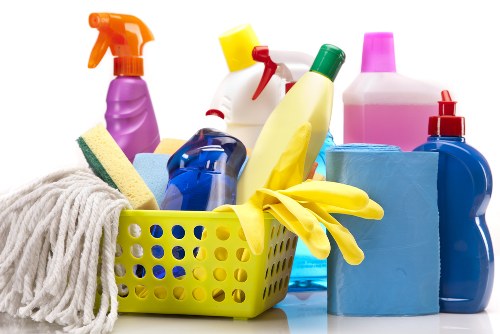
Successful sofa cleaning starts with the right tools. You do not need a large collection of equipment, but having a few basics on hand makes the process easier and more effective. Preparation also reduces the risk of mistakes during upholstery care.
- Vacuum cleaner with upholstery attachment for removing dust and crumbs
- Soft-bristled brush for loosening debris without damaging fibers
- Microfiber cloths for blotting and wiping surfaces
- Mild upholstery cleaner suitable for your sofa material
- Baking soda for odor absorption
- Distilled water to avoid mineral stains
- Spray bottle for controlled application of cleaning solutions
It is also useful to keep a clean towel nearby for blotting excess moisture. When doing sofa cleaning, the goal is to lift dirt out of the fibers rather than push it deeper. That is why gentle, controlled methods are usually more effective than aggressive scrubbing.
Always test any cleaning product on a hidden area first. This small step can prevent discoloration, fading, or texture changes. A patch test is one of the most important parts of safe sofa cleaning, especially when dealing with delicate or dyed materials.
Step-by-Step Sofa Cleaning Routine
A regular cleaning routine makes sofa maintenance simpler and less stressful. Instead of waiting for major buildup, you can follow a step-by-step process that keeps your upholstery in good condition. Consistency is the key to successful sofa cleaning.
1. Remove Loose Debris
Start by removing pillows and cushions if possible. Use a vacuum with an upholstery attachment to clean the entire surface, including seams, crevices, and under cushions. This step removes dust, crumbs, pet hair, and other loose particles that can interfere with deeper sofa cleaning.
2. Address Surface Dust and Odors
Sprinkle a light layer of baking soda over the sofa and allow it to sit for 15 to 20 minutes. Baking soda is a simple yet effective deodorizing agent that helps absorb stale smells. Afterward, vacuum the surface again to remove the powder. This is a practical part of sofa cleaning for homes that host pets or frequent visitors.
3. Treat Spots and Stains
For small stains, blot the area gently with a damp microfiber cloth and a suitable upholstery cleaner. Avoid rubbing, as this can spread the stain and damage the fabric. If the stain is oily, a small amount of dry-cleaning solvent or fabric-safe degreaser may be useful. The best sofa cleaning results often come from quick action and careful blotting.
4. Clean the Entire Upholstery Surface
If the fabric allows it, lightly clean the full surface with an approved solution. Use minimal moisture and work in sections. Uniform cleaning helps avoid water marks and uneven patches. A balanced sofa cleaning routine should never oversaturate the upholstery.
5. Dry Properly
Let the sofa air dry completely before use. Open windows, turn on fans, or use a dehumidifier to speed up the process. Proper drying is a critical part of sofa cleaning because trapped moisture can create odors or even mold growth.
How to Handle Common Sofa Stains

Stains are one of the main reasons people seek sofa cleaning solutions. The sooner you deal with a spill, the better your chances of removing it successfully. Different stains require different methods, so it helps to know what you are dealing with before applying any product.
Food and Drink Stains
Food and beverage spills are among the most common upholstery problems. Blot the area immediately with a clean cloth. For many water-based stains, a mixture of mild soap and distilled water can work well. Always dab gently and avoid excessive moisture. Quick action makes sofa cleaning much easier in these cases.
Grease and Oil Stains
Grease marks from food, hair products, or body oils can be stubborn. Lightly sprinkle baking soda or cornstarch on the stain to absorb excess oil before vacuuming. Then follow with a fabric-safe cleaner. This method is often effective in sofa cleaning because it targets the oil before it settles deeper into the material.
Ink Stains
Ink can spread quickly if treated the wrong way. Use a cotton swab or cloth dampened with rubbing alcohol on a hidden test area first. Then carefully dab the stain without rubbing. Ink removal is a delicate part of sofa cleaning and often requires patience.
Pet Stains
Pet accidents need immediate attention for both hygiene and odor control. Blot up as much moisture as possible, then apply an enzyme-based cleaner made for upholstery. These cleaners help break down organic matter and reduce lingering smells. For households with pets, sofa cleaning should include regular odor prevention steps.
Dealing with Old Stains
Old stains may not disappear in a single session. In such cases, repeated light treatments are better than one harsh attempt. If a stain has set deeply, professional sofa cleaning may be the most effective option. Patience and the right products are often the difference between fading and permanent marking.
Professional Sofa Cleaning vs. DIY Methods
Many homeowners prefer DIY sofa cleaning because it is convenient and cost-effective. Simple maintenance tasks like vacuuming, spot cleaning, and deodorizing can often be handled at home. However, deeper cleaning sometimes requires professional equipment and experience. Knowing when to choose each option helps protect your furniture.
DIY sofa cleaning is ideal for routine care, minor spills, and regular upkeep. It allows you to stay on top of dirt before it becomes embedded. Professional services, on the other hand, can reach deep into the upholstery using hot water extraction, steam systems, or specialized solvents. This can be especially beneficial for heavily used sofas or delicate materials.
Professional sofa cleaning also saves time and can be safer for expensive furniture. Technicians are trained to identify fabrics, choose the right treatment, and handle difficult stains. If your sofa has old marks, deep odors, or years of accumulated grime, booking professional sofa cleaning may be the smartest choice.
When to Consider Professional Help
- When the upholstery label is unclear or missing
- When stains remain after repeated DIY sofa cleaning
- When odors persist despite deodorizing efforts
- When the sofa is made of delicate or high-value fabric
- When allergens and deep-seated dust are a concern
Professional sofa cleaning is not just for emergencies. Many homeowners schedule it periodically as part of regular home maintenance to keep upholstery in top shape.
Best Practices for Keeping Sofas Clean Longer
Good sofa cleaning is not only about removing dirt; it is also about preventing it from building up again too quickly. A few smart habits can dramatically reduce the frequency of deep cleaning and help your upholstery stay fresh between treatments.
Use Throws and Cushion Covers
Decorative throws and washable covers offer an easy layer of protection. They catch dust, pet hair, and spills before they reach the upholstery. This simple step can make sofa cleaning much easier, especially in family rooms or high-traffic spaces.
Vacuum Regularly
Vacuuming once a week is one of the most effective ways to support sofa cleaning. It prevents dust from settling deep into the fibers and keeps crumbs from attracting pests. If your sofa is used daily, more frequent vacuuming may be worthwhile.
Rotate Cushions
Rotating cushions helps distribute wear evenly and prevents one section from becoming flattened or discolored. This is especially helpful for extending the life of the sofa and maintaining a neat appearance. Even pressure distribution supports better sofa cleaning results over time.
Avoid Eating on the Sofa
Although it may be tempting to eat while relaxing, food on the sofa increases the chance of stains, crumbs, and odors. Reducing this habit can significantly lower the need for emergency sofa cleaning. Small changes in routine often have the biggest impact.
Protect Against Sunlight
Direct sunlight can fade upholstery over time, especially on lighter fabrics. Position your sofa away from strong sun exposure or use curtains and blinds to reduce damage. While this is not traditional sofa cleaning, it is part of broader upholstery care that preserves color and texture.
Eco-Friendly Sofa Cleaning Options
Many homeowners now look for greener alternatives in home care, and sofa cleaning is no exception. Eco-friendly methods can be effective while reducing exposure to harsh chemicals. They are also a smart choice for households with children, pets, or sensitivities.
Natural cleaning solutions often include mild soap, vinegar-based mixtures, baking soda, and steam, depending on the upholstery type. These options can be useful for regular sofa cleaning when used correctly. However, always remember that natural does not automatically mean safe for every fabric. Testing remains essential.
Microfiber cloths and low-moisture cleaning methods are also eco-conscious because they reduce water use and drying time. If sustainability matters to you, choose products labeled as biodegradable or non-toxic. Eco-friendly sofa cleaning can be both responsible and highly effective when matched to the material.
Simple Green Cleaning Habits
- Vacuum frequently to reduce the need for harsh products
- Use small amounts of cleaner instead of oversaturating the fabric
- Choose reusable microfiber cloths over disposable wipes
- Spot-clean quickly to avoid stronger stain removers later
- Air out the room after sofa cleaning to speed up drying naturally
Common Mistakes to Avoid During Sofa Cleaning
Even with the best intentions, certain mistakes can make sofa cleaning less effective or even cause damage. Avoiding these errors will help keep your upholstery in better shape and improve your results.
One common mistake is using too much water. Excess moisture can soak into the cushion filling and lead to mildew or odor problems. Another issue is scrubbing too hard, which may fray fibers or spread stains. Gentle pressure is usually the safest approach in sofa cleaning.
Using the wrong product is another serious risk. Some cleaners may discolor fabric or strip natural oils from leather. That is why checking the cleaning code and testing products first is so important. If you are unsure, professional sofa cleaning is often the safest option.
More Mistakes to Avoid
- Skipping the vacuuming step before spot treatment
- Rubbing stains instead of blotting them
- Ignoring the manufacturer’s care instructions
- Using heat to dry upholstery too quickly
- Waiting too long before treating fresh spills
How Often Should You Clean a Sofa?
The ideal frequency for sofa cleaning depends on use, household size, and whether pets or children are present. A lightly used sofa in a formal sitting room may only need monthly vacuuming and occasional spot cleaning. A heavily used family sofa may need weekly maintenance and periodic deep cleaning.
As a general rule, vacuuming should happen at least once a week. Spot treatments should be done immediately after spills occur. Deep sofa cleaning can be scheduled every 6 to 12 months for most homes, though busy households may need it more often. Regular care helps prevent dirt buildup and preserves the appearance of the upholstery.
If your sofa starts to smell stale, feels sticky, or looks dull despite vacuuming, it may be time for a deeper treatment. Consistent sofa cleaning is always easier than waiting for major restoration work. Maintaining a predictable cleaning routine keeps furniture looking better for longer.
Signs Your Sofa Needs Immediate Attention
- Visible stains or dark patches
- Persistent odors from pets, food, or smoke
- Allergy symptoms increasing when sitting nearby
- Dust buildup in seams and corners
- A rough or sticky feel on the upholstery surface
The Long-Term Value of Regular Sofa Cleaning
Investing time in sofa cleaning pays off in several ways. Your furniture looks better, feels fresher, and lasts longer. That means fewer premature replacements and a more comfortable home environment. For many families, the sofa is the center of relaxation, entertainment, and everyday conversation, so keeping it clean has practical and visual value.
Regular sofa cleaning also supports better indoor hygiene. Cleaner upholstery means fewer trapped allergens, less dust circulation, and a more pleasant atmosphere. If you enjoy hosting guests, a fresh sofa can make a strong impression and help your home feel well cared for. These benefits are simple but meaningful.
When you make sofa cleaning part of your regular routine, you protect both your furniture and your comfort. The process does not need to be complicated. With the right techniques, smart habits, and occasional professional support, keeping your sofa in excellent condition becomes much easier.
Final Thoughts and Next Steps
Whether your sofa needs a light refresh or a full deep clean, the key is to act before dirt and stains become permanent. Start with routine vacuuming, treat spills right away, and use material-appropriate products. If the job becomes too difficult or the fabric requires special care, professional sofa cleaning can deliver excellent results.
If your furniture is due for attention, book your service now and restore the look and feel of your living space. Contact us today to take the next step toward cleaner, fresher upholstery and a more inviting home.